From scanning and editioning to pricing, packaging and dropshipping — everything you need to turn your original artwork into a reliable print income stream.
Selling prints is one of the most powerful ways for an artist to build a sustainable income. Originals sell once; a good edition can sell for years. But going from “I’d like to sell prints” to a proper, professional print offer trips a lot of artists up — usually on the technical side. This is the plain-English guide we wish every artist had before they started.
Step 1 — Start with a proper reproduction
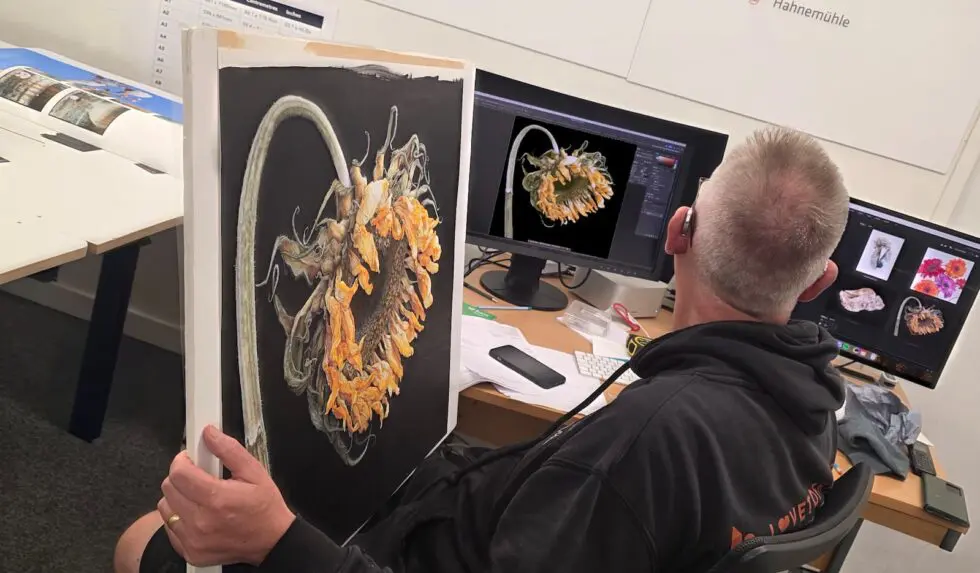
The single biggest mistake we see is artists trying to sell prints made from phone photos. Prints magnify everything — soft focus, colour shifts, glare on the varnish. Before you sell a single print, get a proper fine art scan or 3D capture of the original. That master file becomes the foundation of your entire print business, and if it’s done well, you’ll reprint from it for years without ever touching the original again. Our full walkthrough of the process is here: How to get your artwork scanned & digitised.
Step 2 — Choose open editions, limited editions, or both
Open editions are prints you sell continuously with no cap on numbers. They’re a low-risk, steady earner — great for A4/A3 sizes sold through your website, at fairs and via galleries.
Limited editions are capped, hand-signed and numbered (e.g. “12/50”) and usually printed larger and on premium paper. They command significantly higher prices and are what serious collectors buy. Most artists we work with run both — open editions to build audience and cashflow, limited editions to build collector value.
Step 3 — Get the paper choice right
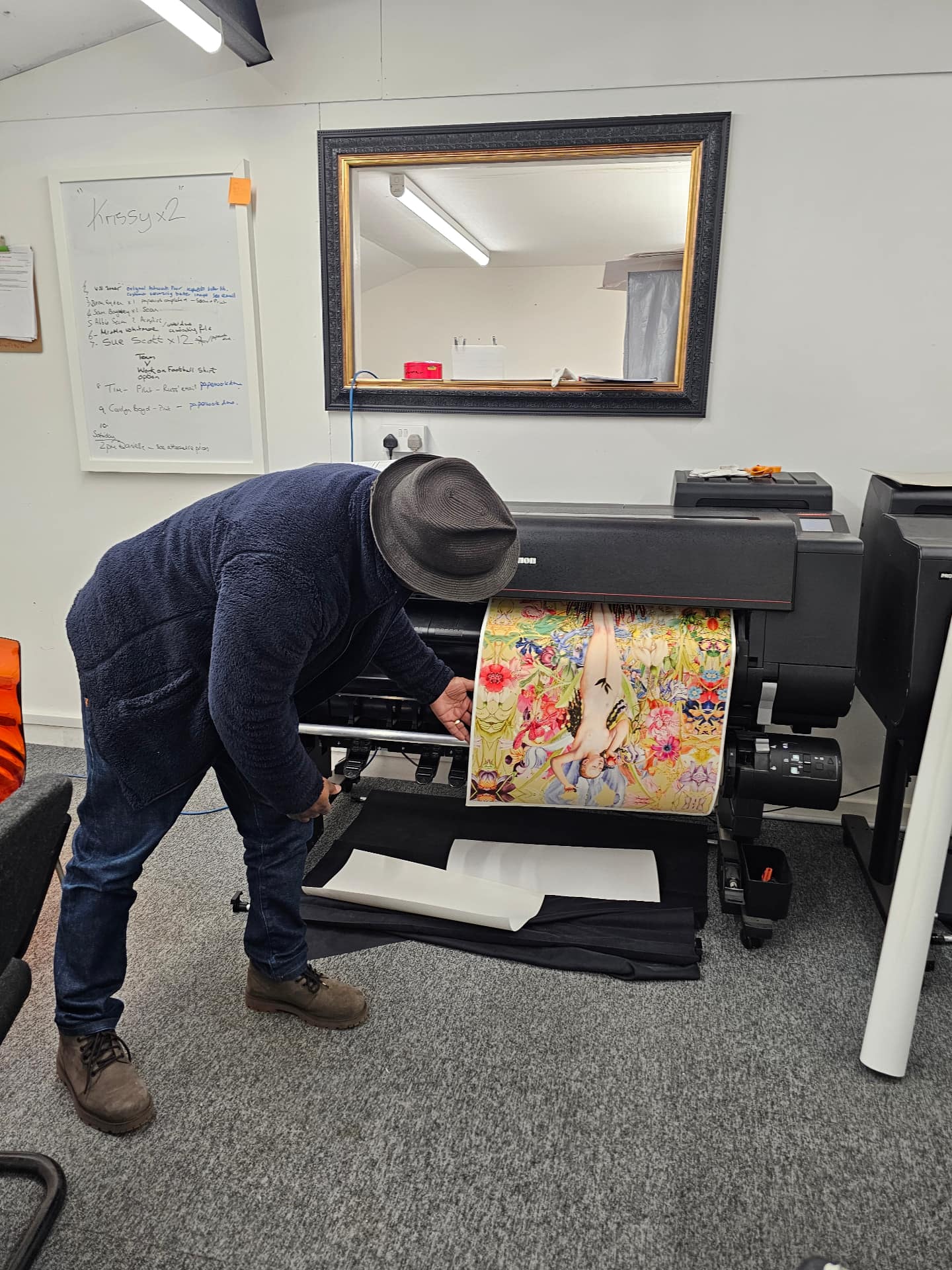
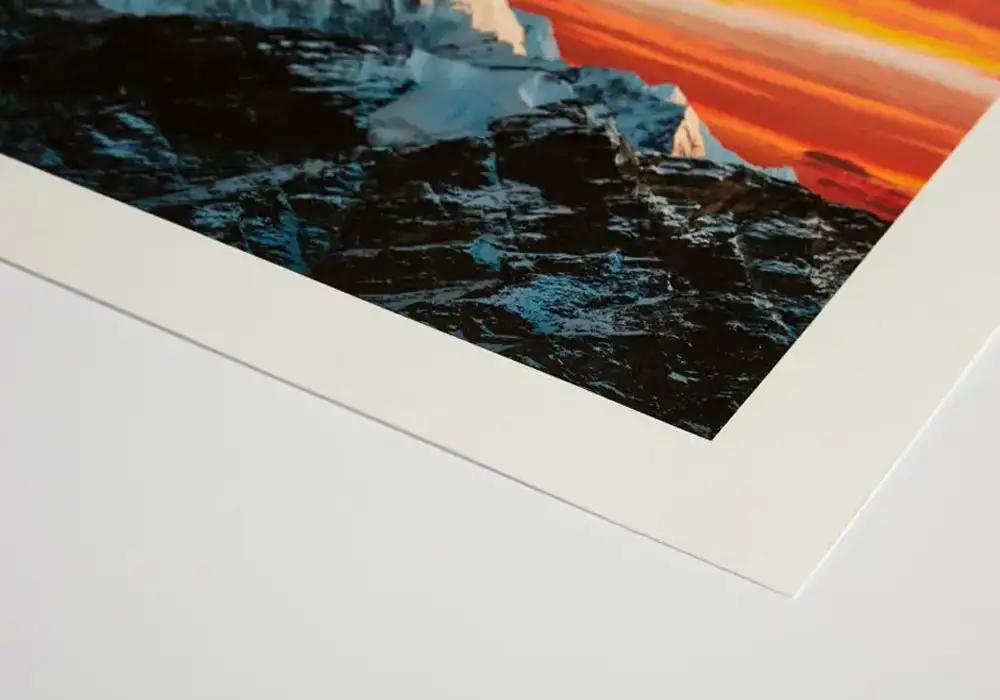
Paper is the single biggest factor in how a print feels. A watercolour reproduced on a smooth photo paper will look wrong; the same file on Hahnemühle German Etching feels like the original. We wrote a full breakdown here: The best paper for giclée prints. For most artists starting out, a matt fine art paper (like Hahnemühle Photo Rag) is the safest, most sellable default.
Step 4 — Price it properly
A rough working formula that keeps artists profitable:
- Cost of print + packaging + shipping (what you pay us and the courier)
- × 3 to 5 for open editions
- × 5 to 10 for signed limited editions
Don’t undersell. Buyers judge value partly by price — a £25 A3 giclée reads as a poster; the same print at £95 signed and numbered reads as art. If a gallery is going to stock them, remember they typically take 40–50%, so build that in.
Step 5 — Sign, number and certify
For limited editions, sign in pencil below the image, number as “n/total”, and include a small certificate of authenticity with edition size, paper, printer, date and your signature. This is what turns a print into a collectable and justifies the price step-up.
Step 6 — Packaging that protects the sale
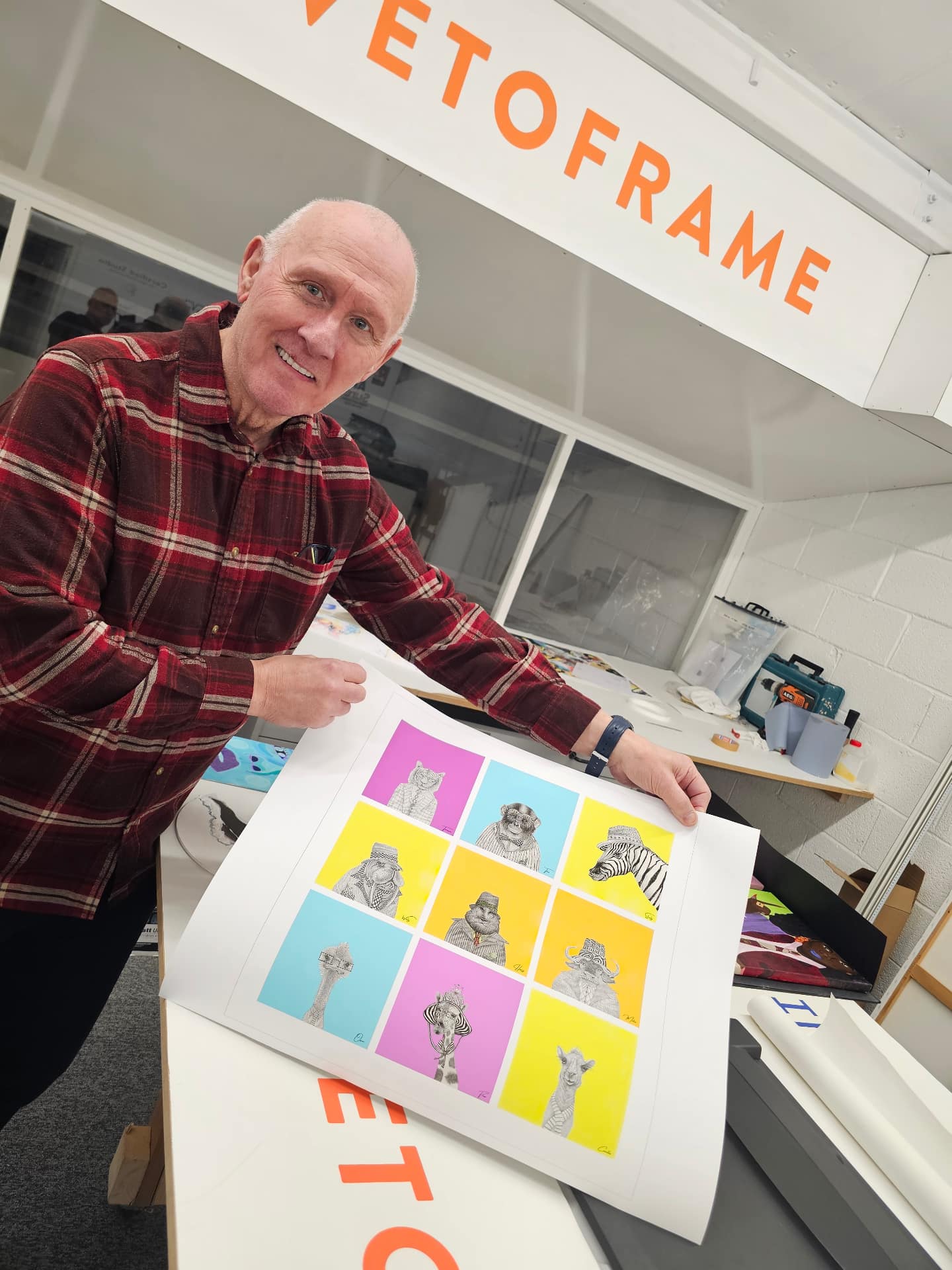
A print that arrives creased kills the reorder. Flat-pack A4/A3 in rigid board mailers with acid-free tissue; roll larger prints in heavy-duty tubes with end caps. If you’d rather not deal with any of this, our Artist Support programme handles printing, packing and shipping direct to your customer under your brand — you never touch a tube.
Step 7 — Sell without holding stock (dropshipping)
The traditional model — print a batch, store them, pack and post yourself — ties up cash and space. Modern print-on-demand means we hold your master files, print each order as it comes in, and ship in your branding. You focus on making work and marketing it. See how our dropshipping service works for the full breakdown.
Step 8 — Sell them (the actual selling part)
- Your own website — highest margin, full control, best for repeat buyers.
- Instagram & TikTok — show the making, not just the finished piece. Time-lapses and studio tours convert.
- Art fairs — face-to-face selling still converts best per hour. Bring both originals and prints at multiple price points.
- Galleries & interior designers — long-term relationships, larger orders, wholesale pricing.
Common questions
Do I need to be VAT-registered? Only if your turnover crosses the UK threshold. Below that, price simply and keep records.
Do I lose copyright when I print? No. You always retain copyright of the original artwork and the files.
How big an edition should I run? Popular sizes are 25, 50 or 100. Smaller editions justify higher prices; larger editions maximise revenue but reduce collectability.
Ready to start selling? Get in touch or explore our Artist Support and Limited Edition Print services.
Ready to start a project?